
Yes, the crash data stored in a Honda airbag module can be erased, but only at the memory level, and only once every physical part of the SRS system is confirmed sound. A standard dealer or workshop scan tool won't touch locked crash flags. Repair any deployed airbags, pretensioners or damaged sensors first, then send the module to a specialist postal reset service such as Airbag Reset UK rather than attempting to bypass the fault with a generic scanner.
TL;DR:
- Crash memory reset at the firmware level can only be performed once the SRS system is fully repaired and no deployed airbags or sensors remain damaged.
- Standard diagnostic tools cannot erase the locked crash flags, which require specialist bench-level programming using dedicated forensic equipment.
- Sending a module by post involves disconnecting, packing, and tracking it, with a typical turnaround of 2 to 3 business days for most Honda modules.
- A reset clears the crash memory but does not address the cause of the crash or defective sensors, which must be repaired beforehand to prevent immediate fault reactivation.
- A proper reset process includes documentation of repairs, physical inspection, and communication testing before reinstalling the module to ensure safety and compliance.
Table of Contents
- What a crash data reset actually removes and what remains
- DIY versus professional: safety, legal and insurance implications
- Tools and diagnostics: what reads crash data and what erases it
- Step-by-step mail-in reset: remove, pack, ship, verify
- Typical costs, turnaround and guarantee expectations
- Why a safety-first mail-in reset beats a shortcut
- Getting your Honda module reset the right way
- Sources
What a crash data reset actually removes and what remains
A Honda SRS module stores several distinct types of information after a collision, and conflating them is the most common mistake owners and even some technicians make. The deployment record is a permanent flag written the moment airbags or pretensioners fire. It tells the module a crash event happened, and Honda deliberately locks this data so it can't be casually cleared with a code reader.
That's different from an ordinary diagnostic trouble code, which a scan tool clears in seconds. A memory-level reset works at the firmware level inside the module itself, wiping the locked crash flag rather than just clearing a light on the dashboard.
Three things worth knowing before you assume a reset "fixes" anything:
- The reset clears the stored crash memory, not the cause of the crash.
- Event Data Recorder (EDR) information, the "black box" data used for forensic downloads, is a separate data set from the SRS crash flag, though both live inside related hardware.
- VIN pairing and programmable settings usually stay matched to the original module once reset, so a correctly reset unit still works as a direct plug-and-play replacement.
Confusing a code clear with a crash memory reset is why so many owners end up back at square one with the same warning light days later.
DIY versus professional: safety, legal and insurance implications
Whether you should attempt this yourself depends entirely on what triggered the fault. A minor electrical glitch, a loose connector, or a sensor that threw a code without any airbag firing is a reasonable candidate for a straightforward code clear with a standard scanner. Permanent crash data from an actual deployment is not.
Consider the practical sequence most technicians follow:
- Confirm whether airbags, pretensioners or seatbelt tensioners actually deployed.
- If nothing deployed, run standard diagnostics and clear the fault normally.
- If deployment occurred, replace every damaged component before touching the module.
- Only then send the module for a memory-level reset, never before repairs are complete.
Reinstalling a reset module while a sensor circuit is still faulty is a wasted job. The module will re-flag the fault almost immediately, because Honda's own SRS guidance makes clear that a reset alone is never a substitute for repairing damaged sensors, airbags and pretensioners.
There's a paperwork angle too. In the UK, insurers and MOT testers increasingly expect documented evidence that SRS repairs were carried out properly after a recorded crash, not just that a warning light went out. A vehicle with unresolved crash history and no repair invoice is a harder sell at trade-in and a genuine liability if it's involved in a second incident.
Pro Tip: Keep every invoice, part number and reset confirmation together in one file. If you ever sell the vehicle or make a future claim, that paper trail is worth more than the reset itself.
Tools and diagnostics: what reads crash data and what erases it
Workshop scanners such as Honda's own HDS system, Autel units and Launch diagnostic tools are excellent at reading stored codes and live sensor data, but most cannot erase a locked crash flag inside the airbag module. That distinction catches out plenty of independent garages who assume a "clear codes" function does everything.
Forensic tools occupy a different category entirely. Bosch Crash Data Retrieval (CDR) downloads Event Data Recorder information such as pre-crash speed and seatbelt status for investigation purposes. It's built for retrieval, not erasure, and the same applies to other EDR download platforms used by insurers and collision investigators.
That's roughly the split you'll find across the industry:
- Standard OBD2 scanners: read live codes, clear non-crash faults, cannot touch locked memory.
- EDR/forensic tools like Bosch CDR: extract crash metrics for reports, don't erase anything.
- Specialist bench programmers: the only route that actually rewrites the module's crash memory.
Generic scanners simply were never engineered to unlock this layer of protection, which is precisely why consumer guidance on airbag light resets warns against expecting a code clear to remove deployment records. Honda modules typically need a bench-level programmer connected directly to the unit outside the vehicle, which is why most independent workshops outsource this step rather than buying specialist equipment they'll use rarely.
Step-by-step mail-in reset: remove, pack, ship, verify
Sending a module by post sounds daunting the first time, but the process is genuinely straightforward once you know the sequence.
- Disconnect the battery and wait the manufacturer-recommended time before touching any SRS wiring, letting residual capacitor charge dissipate safely.
- Remove the module carefully, handling connectors by their housings rather than pulling on wires, and note the part number and label before it's out of sight.
- Photograph the label and part number for your own records and to help the reset lab confirm compatibility.
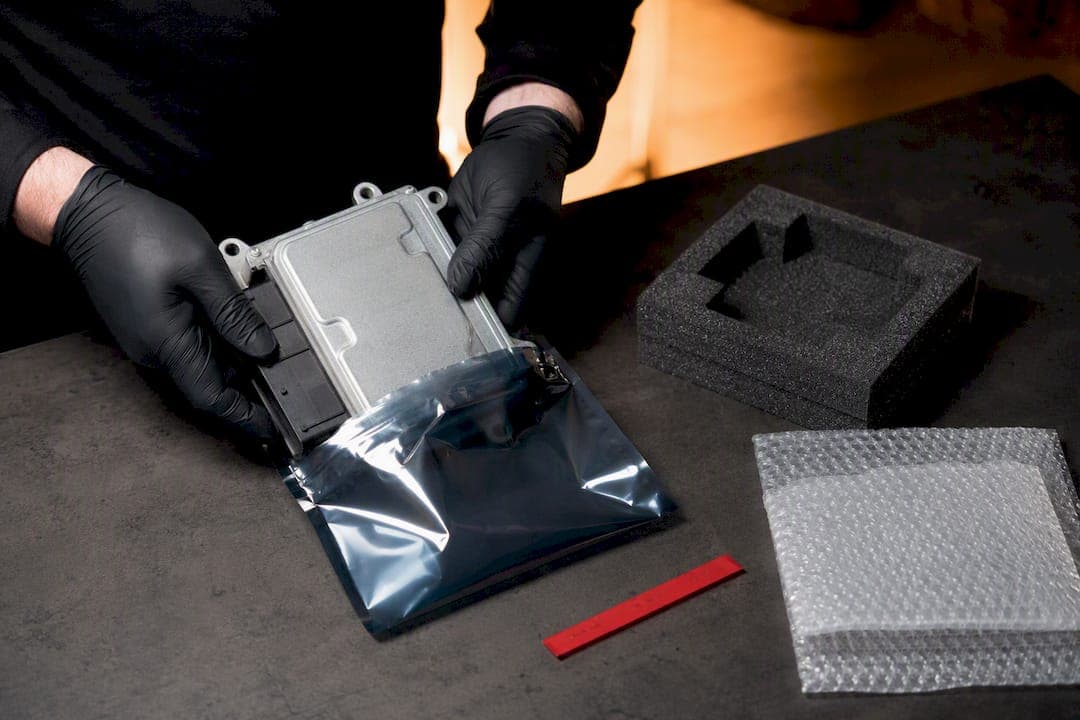
- Pack it properly: wrap connectors to prevent pin damage, use a rigid box, and include a note with your name, vehicle registration, order number and a contact number.
- Ship with a trackable courier, since a lost module means a lost warning light fix and a delayed repair.
Once it arrives, a competent lab inspects the module for physical damage, performs the memory-level erase, then runs a communication test to confirm the module talks correctly to the rest of the vehicle's network; if you encounter issues such as a Блокирала електронна спирачка, proper diagnostics and verification are essential. Ask for written confirmation that both the crash flag clear and the communication check were completed before you reinstall.
Pro Tip: Before you refit anything, use a multimeter to check impact sensor circuits for open circuits or odd resistance readings. A five-minute check saves a second round trip if a sensor fault was missed the first time.
Typical costs, turnaround and guarantee expectations
Straightforward Honda module resets tend to sit at the lower end of the pricing scale, with more complex units or those needing extra diagnostic work costing more. Complexity, not the vehicle's size, is usually the biggest driver of price, since a motorhome-specific module or a heavily damaged unit takes longer to assess properly.
Turnaround expectations worth knowing before you commit:
- Standard in-lab processing commonly runs 2 to 3 business days for many Honda modules sent for reset, with express options available for urgent jobs.
- Trade accounts and garages sending higher volumes typically get faster batching and discounted rates.
- Warranties usually cover the reset procedure itself and communication integrity, not future hardware faults or a second collision.
Read the exclusions carefully. A guarantee on the reset work is not the same as a guarantee that the module will never throw another fault, particularly if underlying wiring or sensors weren't properly addressed beforehand.
Why a safety-first mail-in reset beats a shortcut
Nobody wants to sit without a car for a week after a minor knock, and that impatience is exactly what pushes people towards a quick scan-tool fix that doesn't actually solve anything. Airbagresetuk's approach is built on over 40 years of combined technician experience specifically because locked crash data punishes shortcuts. Every module that comes back out gets a communication check before it's returned, which is the step that catches a bad connector before it becomes a repeat customer complaint.
Turnaround times can be quick for standard modules, and pricing details including any price matching are available on the service provider's website. None of that replaces a bent bracket or a fired pretensioner. A reset only ever clears the memory. The hardware repair has to happen separately, and in that order.
— John
Getting your Honda module reset the right way
If you've read this far, you already know the difference between clearing a code and clearing a crash flag, and that's the gap most quick-fix services quietly ignore. The service provider specializes in memory-level resets for cars, vans and motorhomes, done by post, with quick turnaround on most standard modules.
Ordering is simple. Identify your module by part number or send a photograph if you're not sure, get a fixed price upfront, then post the unit using the packing approach covered earlier in this piece, protected connectors, tracked shipping, your order details included. Pricing details and any discounts for trade accounts can be found by contacting the service provider directly or visiting their website.
One thing worth confirming before you post anything: make sure any deployed airbags, pretensioners or damaged sensors are already scheduled for replacement, because a reset module reinstalled into a vehicle with unresolved hardware faults will simply re-flag the same problem. Once repairs are underway, head to the Airbag Reset UK order page to get your module identified, priced and on its way.