
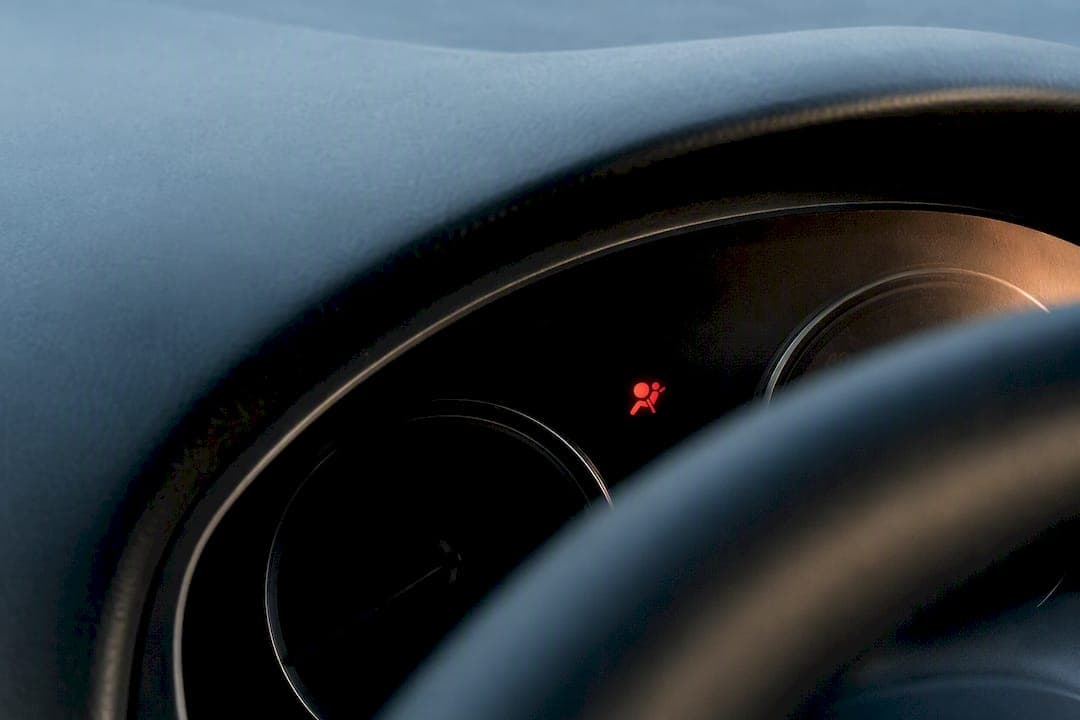
A lost coding or lost communication fault means the airbag control module has stopped talking to the rest of the vehicle's network, usually triggering the SRS warning light and disabling deployment until it's fixed. In most cases this is a network, power or memory problem rather than a wrecked module, so a bench reset or reprogramme is often possible instead of buying a replacement. Whatever the cause, don't ignore the lamp: get a proper diagnostic before assuming the worst or driving on regardless.
TL;DR:
- Most lost coding or communication faults stem from wiring issues, power problems, or memory corruption rather than a damaged control module itself.
- A comprehensive diagnostic, including network scans and voltage checks, is essential before considering module replacement or repair.
- Bench reset or repair services can often fix memory locks caused by low-voltage events at a fraction of dealer replacement costs.
- Replacing a module is only necessary if airbags have deployed or hardware damage has occurred, with repair options available for non-physical faults.
- The typical turnaround for reset services is same-day, whereas dealer replacement can take days or weeks depending on parts and scheduling.
Table of Contents
- Symptoms and quick owner checks
- Common causes: electrical, network and internal module faults
- Diagnostic workflow: step-by-step checks and tools used by professionals
- Repair options and typical costs
- How a bench reset or recoding actually works
- MOT and safety implications
- Timelines: expected turnaround for each repair path
- When to reset first and when to replace
- Getting your module reset without the dealer markup
- Sources
- FAQ
Symptoms and quick owner checks
The clearest sign is the SRS or airbag warning light staying on or flashing, often paired with a message that restraints are disabled. Some cars show intermittent faults that clear and return, especially after cold starts or rough roads, which points to a loose connection rather than a dead module.
Before booking a diagnostic, a few checks help narrow things down:
- Check the battery's health and terminals; a weak or badly connected battery is a frequent trigger.
- Think back to any jump-starts, battery swaps or bodywork done recently, since these often precede coding faults.
- Look for obvious connector damage near the seats, console or under-dash wiring where the module usually sits.
- Note whether other systems (ABS, instrument cluster) are also throwing faults, which suggests a shared network issue rather than an isolated SRS problem.
If the car has been in any kind of collision, however minor, stop driving and get it inspected. The restraints may not fire when needed.
Common causes: electrical, network and internal module faults
Most lost coding faults trace back to one of four areas, and knowing which is likely helps a technician test efficiently rather than guessing.
- CAN-bus wiring faults: damaged, corroded or loose connectors on the CAN-H/CAN-L lines break the chatter between modules, and the airbag unit simply drops off the network.
- Power and ground issues: a failing battery, poor earth point or a voltage spike from an incorrect jump-start can corrupt the module's ability to communicate reliably.
- Internal software or memory corruption: crash-data locks or EEPROM errors sometimes latch the module into a fault state even after the electrical cause is fixed.
- Hardware faults: less common, but a genuinely damaged circuit board or connector pin inside the module itself will need replacement rather than a reset.
Low-voltage events deserve particular attention, since a battery on its way out or a badly performed jump-start can produce memory errors that look identical to a hardware failure until properly tested; see why ADAS calibration is essential for your vehicle's safety and performance to understand how sensor and network issues affect module communication.
Diagnostic workflow: step-by-step checks and tools used by professionals
A methodical diagnostic saves time and money, and most competent workshops follow a similar sequence.
- Run a full network scan, not just an SRS-specific check, since U-codes such as U0151, lost communication with the restraints control module, often sit alongside other airbag-specific codes and tell you whether the fault is a network dropout or something module-internal.
- Measure system voltage at rest, on key-on and during cranking, since a marginal battery or alternator can cause faults that mimic a dead module.
- Probe CAN-H and CAN-L for continuity and check whether the module responds to wake-up messages, which confirms whether the network itself is intact.
- Inspect earths and connectors around the module and along the harness run, since corrosion or a loose pin is a common, cheap fix.
- Remove the module for bench-level testing when wiring and power check out clean, allowing a specialist to read EEPROM data, check for crash-data locks and attempt a repair rather than a straight swap.
- Escalate to a dedicated reset service once bench diagnostics confirm a software or memory fault rather than physical damage.
Pro Tip: Always record the exact fault codes and their freeze-frame data before disconnecting the battery, since some scan tools lose that history once power is cut.
Repair options and typical costs
Once the cause is confirmed, there are three broad routes, each with different costs and trade-offs.
- Bench crash-data reset or repair: clears the locked fault data and, where the module is otherwise sound, restores normal function without touching the vehicle-specific coding. It's the cheapest and fastest option when there's no deployment and no hardware fault.
- Reprogramming or coding: some vehicles need the replacement or repaired module coded to match the chassis and options before the SRS system will accept it, a step dealers and specialists both charge for separately from any reset or parts cost.
- Full replacement: necessary when airbags or pretensioners have actually deployed, or when the module's hardware is damaged beyond repair; expect to pay for the part itself plus dealer labour and coding on top.
A bench reset or postal repair service, such as those offered by Airbag Reset UK, typically starts at £35 to £46 for a standard module. This is a fraction of what dealer replacement and coding usually costs once parts and labour are added.
How a bench reset or recoding actually works

There's an important distinction between clearing a temporary fault flag and performing a full crash-data clear. A temporary flag might reset itself after a battery disconnect, but a genuine crash-data lock is written into the module's memory specifically to stop it working again after a real deployment event, and that needs a proper repair process to clear safely.
A bench reset does not, and cannot, replace physical pyrotechnic parts. Airbags and seatbelt pretensioners are single-use devices; once fired, they need physical replacement regardless of what happens to the control module.
DIY EEPROM manipulation carries real risk of permanent damage, which is why specialist bench services read, repair and validate the module's checksums before it goes back in the car.
One provider's model reflects this: a postal service with a same-day turnaround for most modules, run by experienced technicians in this specific repair.
MOT and safety implications
An illuminated SRS warning light is classed as a major defect under the official MOT inspection manual and will fail the test on its own. The logic is straightforward: if the system can't confirm the restraints are working, nobody can rely on them in a crash.
Getting the fault diagnosed and resolved, whether by reset, recode or replacement, restores both legal compliance and the safety function the light was warning you about. Don't wait for the retest deadline to sort it.

Timelines: expected turnaround for each repair path
Turnaround varies hugely depending on the route chosen.
- Postal bench resets often complete same-day for modules received in the morning, with the module back in the post that afternoon.
- Dealer reprogramming or replacement can take days to weeks, largely down to part availability and booking slots.
- Trade accounts and mobile services can shortcut some of this delay for garages processing several modules or customers who can't remove and post the part themselves.
Where physical airbag hardware also needs replacing, expect the timeline to stretch further while those parts are sourced, since the module itself is rarely the bottleneck.
When to reset first and when to replace
If there's no deployment, the wiring checks out and the fault looks purely software or memory related, try a bench reset first. It's cheaper, faster and keeps the original coding intact. Replacement only makes sense after deployment, confirmed hardware failure or memory corruption that won't clear. Take your fault codes, voltage readings and connector inspection notes to whoever does the work.
— John
Getting your module reset without the dealer markup
- Post your module using guidance on identifying the correct part from its number or a photo.
- Choose a mobile visit through the mobile reset service if you'd rather not remove it yourself.
- Motorhome owners get a dedicated workflow through the motorhome airbag reset service.
- Garages and workshops can apply for trade pricing to process customer modules at a discount.
Check current pricing and turnaround, or get in touch to confirm your module is a suitable candidate for reset before you commit to anything more expensive.
Sources
FAQ
How can I reprogram my airbag module?
Reprogramming, or coding, is usually done with a dealer-level scan tool or by a specialist bench service that matches the module's software to your vehicle's specific configuration. It's a separate step from a crash-data reset and is typically required after fitting a replacement or repaired module rather than for a simple fault clear.
Does a used airbag module need to be programmed?
Yes, in most cases a used module needs coding to the specific vehicle before the SRS system will recognise it and clear the warning light. This is because manufacturers tie the module's software to the car's chassis and options, so a straight swap without coding often leaves the fault present.
How do I code an airbag module?
Coding requires dealer-level or specialist diagnostic equipment that can write the vehicle-specific configuration to the module, which isn't something achievable with a basic code reader. Most owners send the module to a specialist bench service or book it in with a dealer or independent garage that has the right tools.
Is there software available to reset an SRS module?
Specialist bench services use dedicated equipment to read, repair and clear crash-data faults from SRS modules rather than relying on generic consumer software. Attempting this with unsupported tools risks permanent damage, so a professional bench reset, such as the postal service run by Airbag Reset UK, is the safer route for most owners.