
An ordinary OBD-II scanner cannot erase crash-locked EEPROM data on many Toyota SRS modules. It reads the code, sometimes clears the light for a few miles, and then watches the fault reappear because the underlying crash record on the Denso 89170- module is still sitting in memory. Standard Techstream commands cannot erase crash-locked data.
If your SRS light has come on after an impact, do this first:
-
Disconnect the battery and note any codes before you do
-
Check your VIN against the manufacturer's automotive AC Archives for related maintenance insights
-
Avoid driving if you suspect a deployed airbag or damaged wiring
Once you've confirmed crash data is present rather than a simple sensor fault, the fastest legitimate route is a postal bench-reset service such as Airbag Reset UK, which erases the locked crash bytes at component level rather than through the diagnostic port.
TL;DR:
- Standard OBD-II tools cannot erase crash-locked EEPROM data on Toyota Denso modules, requiring specialized bench reset services to fully clear crash records.
- Always disconnect the battery and wait several minutes before working on the SRS system to prevent accidental deployment or static discharge risks.
- If codes persist immediately after clearing, it indicates locked crash data rather than a wiring fault, suggesting a bench reset is necessary.
- Physical checks of wiring, clockspring, and pretensioner circuits are essential before attempting any reset to prevent repeated faults.
- Postal bench reset services like Airbag Reset UK offer same-day processing from £35, preserving the original module's VIN and avoiding dealer replacement costs.
Table of Contents
- Essential safety steps before you touch the SRS or module
- How do you know if the module needs a bench reset?
- Removing the airbag control module for bench testing
- When does the job actually need a professional reset?
- What does a bench reset actually do to the module?
- What does it cost, and how long does it take?
- Reading common Toyota SRS codes correctly
- Key Takeaways
- Sources
Essential safety steps before you touch the SRS or module
SRS systems store energy even after you switch off the ignition. That's the whole point. It exists to fire in milliseconds during a crash, and that same design means a careless disconnection sequence carries genuine risk.
- Disconnect the negative battery terminal first and wait at least several minutes so the SRS backup capacitors discharge fully before you go near any airbag wiring.
- Never work on SRS components with the battery still connected.
- Photograph and label every connector before you unplug it. Toyota harnesses use near-identical connectors across multiple circuits, and a swapped pretensioner plug is a common self-inflicted fault.
- Use ESD-safe handling for the module electronics, keep power tools away from any pyrotechnic device, and never touch or probe an airbag inflator directly.
- Check your manufacturer's recall portal using your VIN before spending money on anything else. Recall repairs are free, and no reset service should be your first call if an open recall covers your fault.
Pro Tip: Keep the battery disconnected for the entire diagnostic and removal process, not just during the initial wait. Reconnecting halfway through to "check something" is how accidental static discharge events happen.
How do you know if the module needs a bench reset?
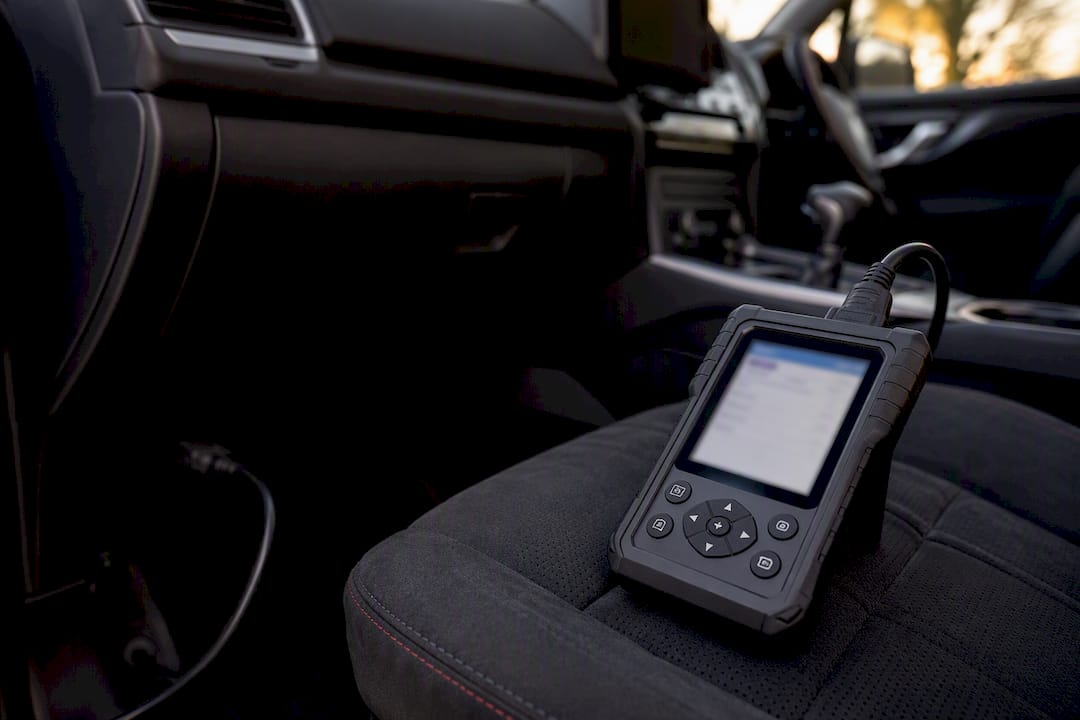
Run a scan first, always. An SRS-capable OBD-II tool will tell you far more than the dashboard light ever will, and the pattern of what comes back tells you which repair path you're on.
Clear the codes and drive a short distance. If the same code returns within seconds of clearing it, that's a strong signal you're looking at locked crash data rather than an intermittent fault. Genuine wiring faults tend to behave inconsistently; crash records behave with total consistency, because they're not a live fault at all, they're a permanent flag.
There's a trickier scenario worth knowing about: the SRS light stays on with no stored DTCs at all. Owners often assume this means the scanner missed something. Usually it means the opposite. It's a common signature of an EEPROM crash flag that's locked the module's operating state without necessarily leaving a readable fault code behind on every scanner.
Before assuming you need a reset, run the physical checks that catch the cheaper problems:
- Reseat every connector near the module and clockspring, checking for corrosion or bent pins
- Test clockspring continuity with a multimeter, since a worn clockspring is one of the most common causes of intermittent SRS faults that mimic crash data
- Check pretensioner circuit resistance against the workshop manual's specified range
Document every reading. Do not attempt a reset of any kind until you've ruled out or repaired safety-critical wiring faults, because a reset won't fix a broken pretensioner circuit and a broken pretensioner circuit will immediately re-trigger the light anyway.
Removing the airbag control module for bench testing
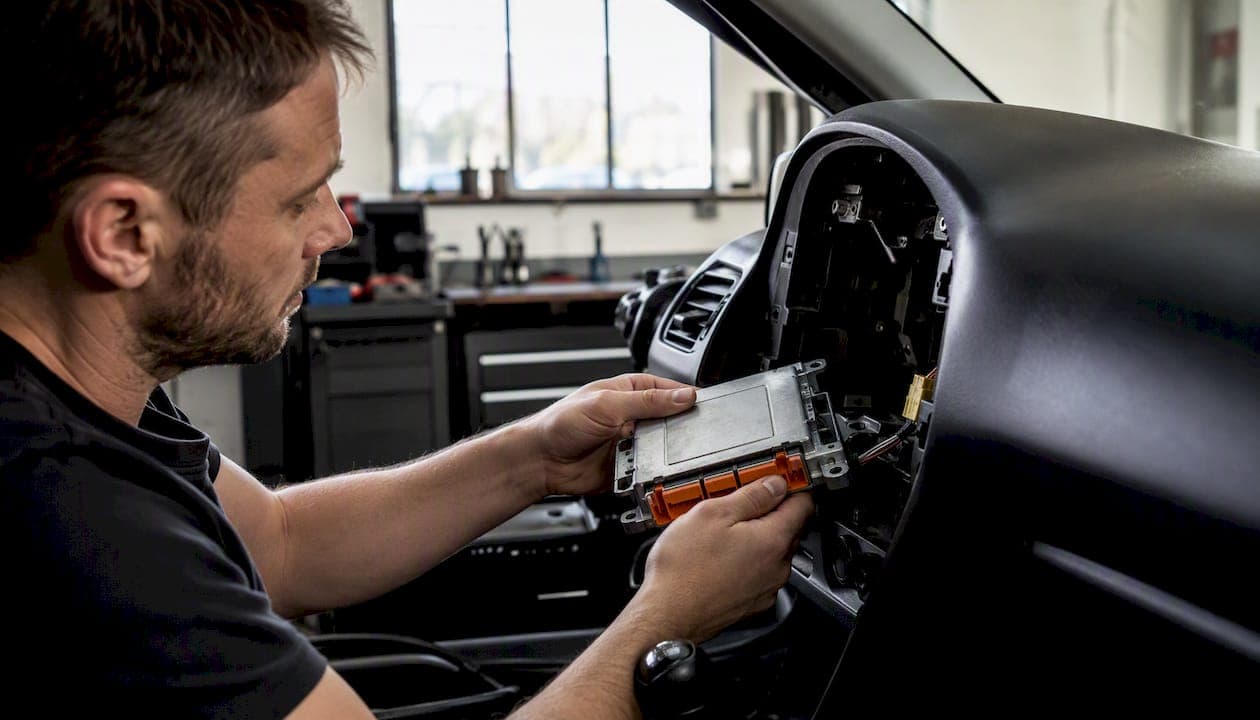
Most Toyota SRS modules sit under the centre console or beneath the dashboard, bolted to the floor pan or a bracket behind the radio unit, depending on model and year. You'll identify the correct unit by its part number, which almost always starts with the 89170- prefix on Denso-supplied modules.
- Disconnect the battery negative terminal and wait for the discharge period to pass.
- Photograph the module in situ, then label each connector with tape and a marker before removing anything.
- Unplug the wiring harness gently, pulling on the connector body rather than the cable.
- Unbolt the module from its mounting bracket. Most use two or three 10mm bolts.
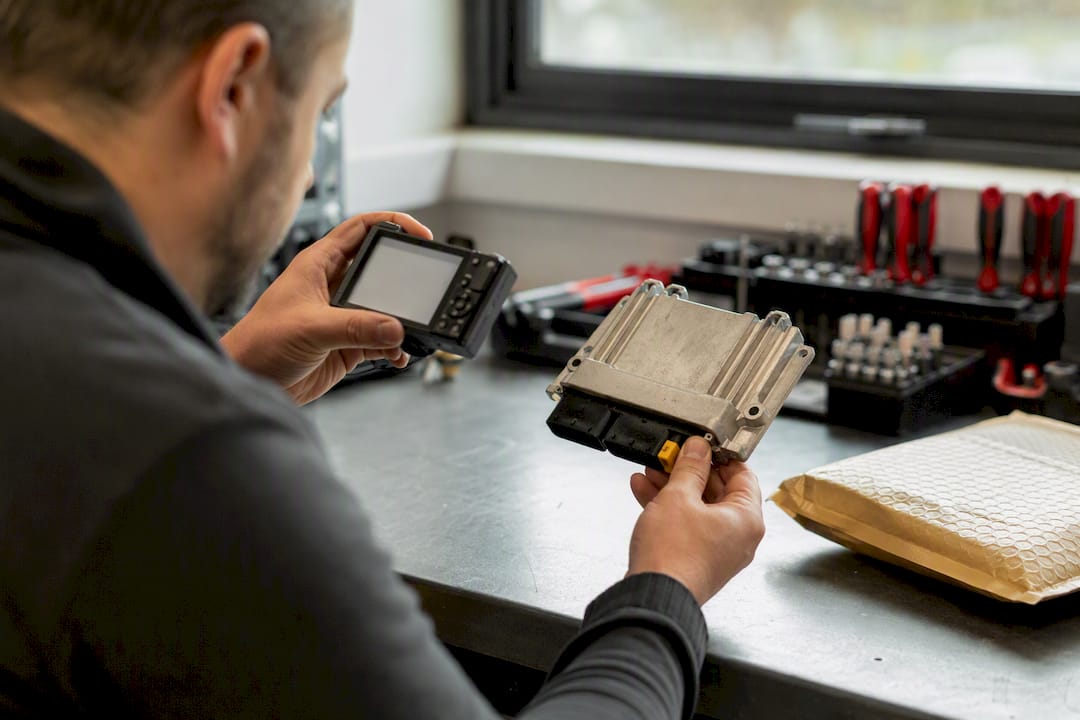
- Package it in an anti-static bag with foam padding on all sides for postal transit.
Include a note with your vehicle's registration, a description of the fault, and any codes you recorded during scanning. This saves a back-and-forth call before the reset can begin.
Pro Tip: Take a photo of the part number label on the module itself before you box it up. If the reset service needs to confirm compatibility, this saves a day of correspondence.
When does the job actually need a professional reset?
Not every SRS light needs a specialist. But certain signs point clearly towards a locked module rather than a repairable fault:
- The light stays on permanently regardless of driving conditions or connector checks
- Codes reappear instantly after clearing, every single time
- There's a known or suspected impact history, even a minor one such as a kerb strike that fired a side pretensioner
- Physical inspection has ruled out wiring, clockspring, and connector faults
Dealer replacement becomes the only realistic option if the module casing itself is cracked, scorched, or physically deformed. That's a hardware failure, not a data problem, and no reset fixes broken silicon. For everything else, particularly on 2018 and later models where occupant classification sensors sometimes need a brief re-calibration step after crash-data erase, a bench reset is the proportionate answer. If an airbag has actually deployed, or you're not confident the wiring is intact, this is not a DIY call. Get it checked by someone qualified before the vehicle goes anywhere near the road.
What does a bench reset actually do to the module?
Crash events get written to EEPROM the instant a deployment threshold is crossed, and that record is designed to be permanent evidence, not a clearable flag. Techstream can read it. Nothing available over the OBD-II port can erase it. That's the entire reason generic "clear airbag codes" advice fails for genuine crash-locked units.
A proper bench workflow looks like this:
- Physical inspection of the module for damage, corrosion, or casing integrity issues
- Full EEPROM read to confirm which bytes hold the crash flag
- Selective erase of the crash-data bytes only, leaving configuration and VIN pairing intact
- Memory verification pass to confirm the erase held
- Bench test under simulated conditions before the module ships back
The value of preserving the original module rather than swapping it isn't just cost. It avoids a VIN-mismatch nightmare where a replacement module doesn't match the vehicle's stored configuration, and it means the returned unit goes back in plug-and-play in the overwhelming majority of Toyota models.
Airbag Reset UK backs this with over 40 years of combined technician experience across the team, same-day turnaround for units arriving before the daily cut-off, and transparent pricing rather than a vague quote after the fact.
What does it cost, and how long does it take?
Dealer replacement of a Toyota SRS module routinely costs several hundred to over a thousand dollars once parts, programming, and labour are included. A bench reset changes that arithmetic entirely.
- Reset pricing at Airbag Reset UK starts from just £35 for standard modules, with clear pricing for more complex units upfront rather than after diagnosis
- Modules arriving before the daily cut-off are typically processed the same day; others usually turn around within a few business days.
- Warranty cover and price matching against genuine like-for-like quotes are both available, which matters if you've already had a dealer figure to compare against
That gap between four-figure dealer replacement and a reset priced from £35 is the entire reason this repair path exists.
Reading common Toyota SRS codes correctly
Codes fall into two broad camps once you've scanned the module, and telling them apart saves you from paying for the wrong fix.
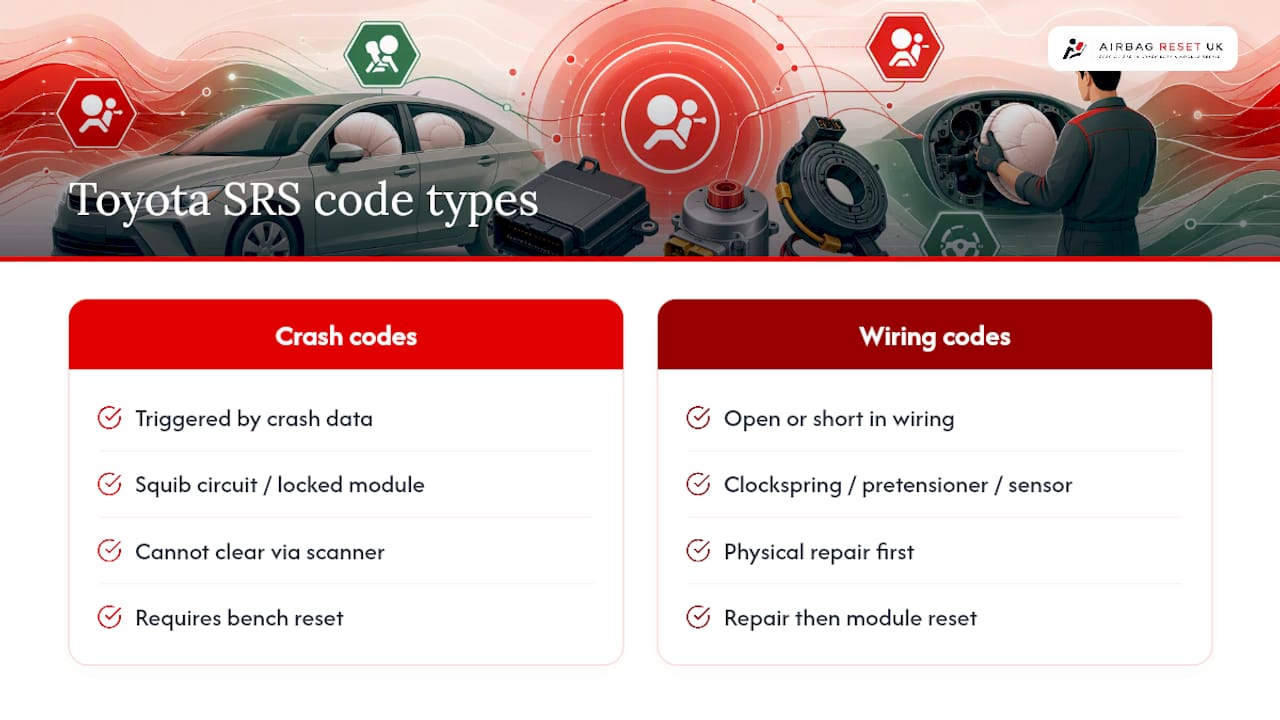
Crash-related codes, often tied to squib circuit or crash-data-stored flags, imply the module has locked itself against a recorded deployment event. No amount of clearing through the diagnostic port shifts these. The next step is bench reset, not further scanning.
Codes pointing to open or short circuits in the clockspring, seatbelt pretensioner wiring, or a specific sensor connector usually mean a physical repair job: reseating a connector, replacing a worn clockspring, or repairing a damaged wire run. Fix these before touching the module at all, because a reset performed while a wiring fault is still live will simply re-trigger the same light within minutes of reinstallation.
After reinstalling a reset or repaired module, confirm success properly: rescan for stored codes, let the vehicle run its own SRS self-check on ignition, and take it on a short road test with an eye on the dashboard the whole way.
Why the "just clear the code" advice keeps failing people
Most of the frustration owners feel with airbag lights comes from one repeated mistake: treating a permanent crash record the same as a temporary sensor glitch. They're not the same fault category, and no scanner-based workaround changes that. Toyota built these modules to lock deliberately after a genuine deployment event, because the airbag control module doubles as a crash data recorder, and erasing that without proper verification isn't something a £20 code reader is built to do.
Where I'd push back on the conventional advice you'll find elsewhere: plenty of guides tell owners to "just try clearing it a few times" or assume a persistent light always means a full module swap. Neither is right in most cases. A bench-level reset from a service like Airbag Reset UK, backed by verified technician experience and same-day turnaround, sits between those two extremes and is usually the proportionate, evidence-based answer. If an airbag has deployed, or the wiring's integrity is in doubt, that's the one scenario where I'd always tell someone to get professional eyes on it before anything else happens.
— John
Send your module for a same-day postal reset
If your SRS light is on because of locked crash data rather than a wiring fault, Airbag Reset UK clears it at component level rather than guessing through the OBD-II port, and does it the same day for modules arriving before the daily cut-off.
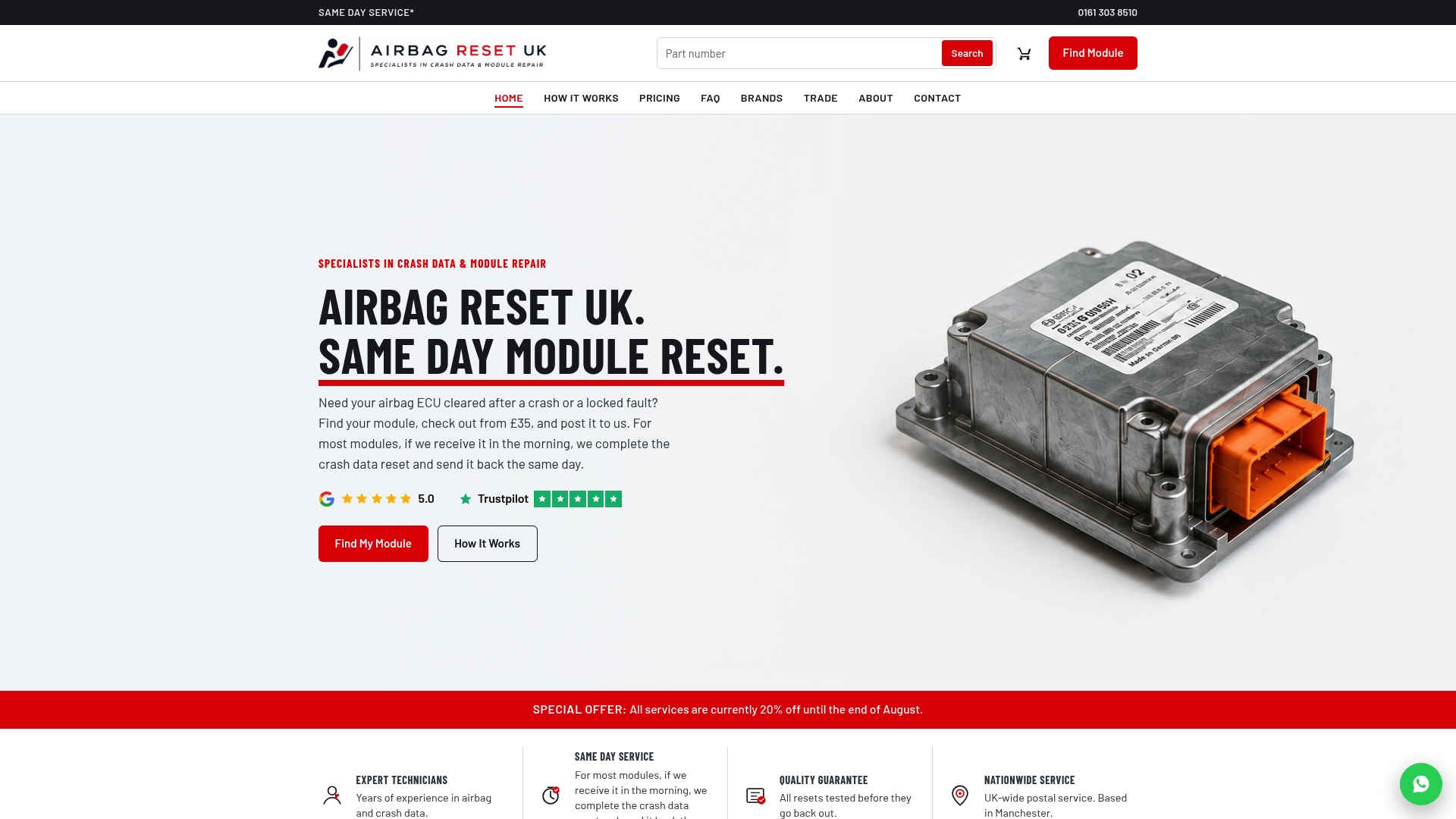
The service covers standard and complex Toyota modules with fixed, transparent pricing from £35, price matching against any genuine like-for-like quote, and a warranty on the work carried out. Every reset preserves your original VIN pairing, so the module goes back in as a plug-and-play fit rather than triggering a fresh dealer programming session. Trade accounts are available too, with discounted rates for garages and mobile technicians who handle resets regularly. Package your module, note your registration and fault details, and arrange your postal reset to get the SRS light sorted without dealer replacement costs.
Key Takeaways
A Toyota airbag module reset requires bench-level EEPROM erasure for crash-locked units, because standard scan tools and Techstream cannot clear a genuine crash record.
| Point | Details |
|---|---|
| Scan tools have limits | OBD-II readers cannot erase EEPROM crash data on locked 89170- series modules. |
| Safety comes first | Disconnect the battery, wait for capacitor discharge, and check recalls before any SRS work. |
| Diagnose before you reset | Rule out clockspring, connector, and pretensioner faults, since these mimic crash-locked symptoms. |
| Cost gap is significant | Dealer replacement runs into four figures; bench resets start much lower and preserve the original VIN. |
| Airbag Reset UK offers the fastest fix | Same-day turnaround, pricing from £35, price matching, and warranty cover on postal bench resets. |
Sources
Check your VIN on the manufacturer's recall portal and read how crash data locks the module before repair.
- Toyota airbag module crash reset repair service — Karmanauto