
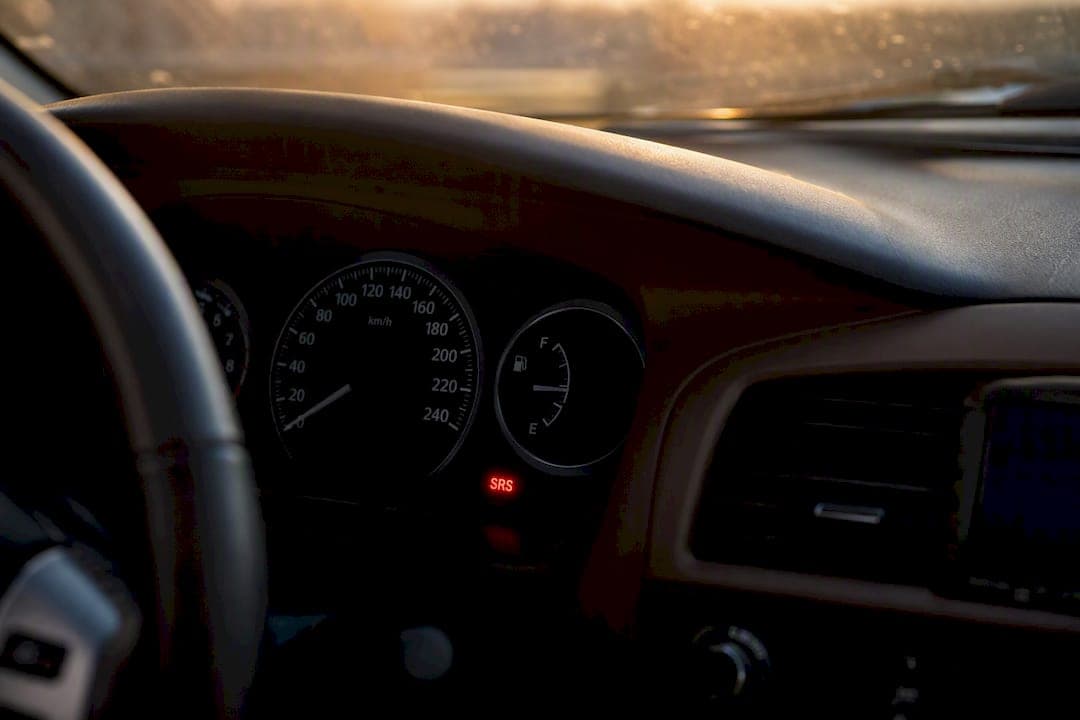
The SRS light means your vehicle's supplemental restraint system has detected a fault that may stop the airbags or seat-belt pretensioners from working properly. Supplemental restraint system is the technical name for the airbag and pretensioner network built into your car. The moment that light comes on and stays on, treat it as a genuine warning rather than a glitch.
- What it means: a fault somewhere in the airbag, sensor, or pretensioner circuit.
- What to do now: book a diagnostic check with a workshop that has SRS-capable scanning tools.
- What not to do: ignore it, disconnect the battery hoping it "resets itself", or keep driving indefinitely without getting it looked at.
Key Takeaways
An illuminated SRS light signals a fault in the airbag or pretensioner system that demands a prompt diagnostic check, not a wait-and-see approach.
| Point | Details |
|---|---|
| SRS means supplemental restraint system | It covers airbags, pretensioners, sensors, wiring, and the clock spring behind the wheel. |
| Common causes are mechanical, not mysterious | Wiring damage, clock spring wear, buckle debris, and sensor faults explain most cases. |
| Driving isn't automatically unsafe | Short trips can be reasonable, but book a diagnostic the same day and avoid driving post-collision. |
| Rule out simple causes first | Check seat belts, buckles, battery health, and the passenger airbag switch before booking a garage. |
| Reset services suit stored crash data | A postal reset can resolve the light when the module holds old crash data but the hardware is intact. |
Table of Contents
- What does SRS mean in a car and how does the warning light work?
- Common causes the SRS light comes on
- Is it safe to drive with the SRS light on?
- Simple checks you can safely do before booking a diagnostic
- Professional diagnostics, repair options, and typical costs
- When a postal airbag module reset service is the right call
- What the research actually tells us about SRS lights
- Frequently asked questions about the SRS light
- Sources
What does SRS mean in a car and how does the warning light work?
SRS stands for supplemental restraint system, which is exactly what it sounds like: a backup layer of protection that supplements your seat belt rather than replacing it. The system covers airbags, seat-belt pretensioners (the devices that yank the belt tight a split second before impact), crash and acceleration sensors dotted around the body, the central control module, and the wiring that connects it all, including the clock spring behind your steering wheel.
That control module is constantly self-testing. Every time you start the engine, it runs a quick check across every sensor and circuit in the supplemental restraint system, and the SRS light briefly flashes as part of that routine. If everything checks out, it switches off within a few seconds. If it stays lit, or comes on while you're driving, the module has found a fault it can't resolve on its own, whether that's a broken circuit, a sensor reading that doesn't make sense, or stored data from an event it hasn't cleared.
Common causes the SRS light comes on
Most SRS faults trace back to a handful of repeat offenders, and knowing which one you're likely dealing with helps you have a more useful conversation with a technician.
- Faulty sensors – crash or acceleration sensors that have failed or are sending erratic signals.
- Wiring damage – frayed or pinched cables under the seats, often from sliding the seat back and forth over the years, or corroded connectors letting moisture in.
- Clock spring failure – the coiled connector behind the steering wheel that allows airbag wiring to rotate with the wheel; it wears out after years of steering input and can affect the horn or cruise controls too.
- Seat belt buckle or pretensioner faults – often caused by lodged debris such as coins, crumbs, or a seatbelt clip that's been jammed shut.
- Passenger airbag switch anomalies – occupancy sensors misreading weight, or a switch fault unrelated to the legitimate on/off setting used for child seats.
- Stored crash data – a previous collision that triggered the airbags or pretensioners, leaving the module holding onto that event even after repairs.
- Rare manufacturing defects or flood damage – water ingress into the module or wiring loom, which is far more common in used imports and flood-affected vehicles than most owners expect.
Faulty sensors, damaged wiring under seats, clock spring failure, and seat belt buckle problems account for the bulk of SRS warning cases reported by breakdown services, ahead of rarer causes like manufacturing defects. Corroded connectors and damaged wiring beneath the seats interrupt the dedicated SRS circuit more often than drivers realise, partly because that wiring gets flexed every single time the seat moves.
Is it safe to drive with the SRS light on?
Driving with the SRS light on isn't automatically catastrophic, but it does mean the safety net under your seat belt might not be there when you need it. If the light indicates a genuine fault, your airbags or pretensioners might not deploy in a crash, which raises your injury risk in exactly the moment you'd rely on them most. In rare fault conditions, an airbag can also deploy unexpectedly, though this is uncommon.
If the light appeared straight after a collision, however minor, don't drive the car until it's checked. If it came on with no obvious trigger and you're only popping to the shops, a short trip is a reasonable judgement call, but book a diagnostic that day rather than let it slide. If the fault seems intermittent, flickering on and off, or you simply feel uneasy about the car, arrange a tow rather than gamble on it.
Simple checks you can safely do before booking a diagnostic
A surprising number of SRS warnings clear up once you've ruled out the basics. Try these first:
- Fasten every seat belt in the car, including rear seats, since an unbuckled or partially latched belt can trigger the light on some models.
- Inspect each buckle for debris — coins, food wrappers, and small toys are common culprits that stop a pretensioner reading correctly.
- Check under and around your seats for wiring that's been pinched, snagged, or chafed by seat rails.
- Look at your battery's condition, especially if you've recently jump-started the car or had a battery replaced, since low voltage can confuse the module.
- Confirm the passenger airbag switch matches your situation — it's meant to be switched off for a rear-facing child seat, and that's a normal state, not a fault.
Worth knowing: on some vehicles, the SRS and seat belt warnings share the same light, so what looks like an airbag fault could just be a belt issue.
Pro Tip: Never attempt to open, disassemble, or "reset" airbag components or the SRS module yourself. These are pyrotechnic devices, and improper handling isn't just risky to the car's electronics, it's a genuine injury hazard.
Professional diagnostics, repair options, and typical costs
A competent workshop starts by plugging in an SRS-capable scanner to read the stored fault codes, then follows up with a visual inspection of wiring, connectors, and sensor mounts before testing individual circuits, including the passenger occupancy sensor. Reading codes first and inspecting wiring and sensors before swapping parts is the standard diagnostic approach that avoids paying for components that were never the problem.
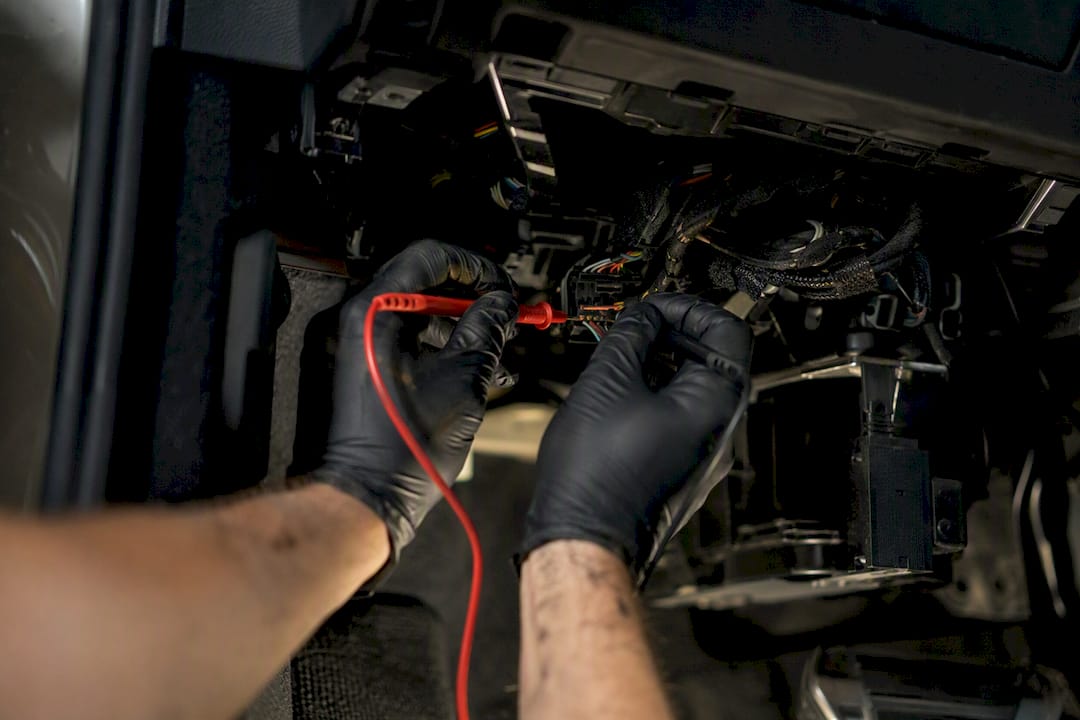
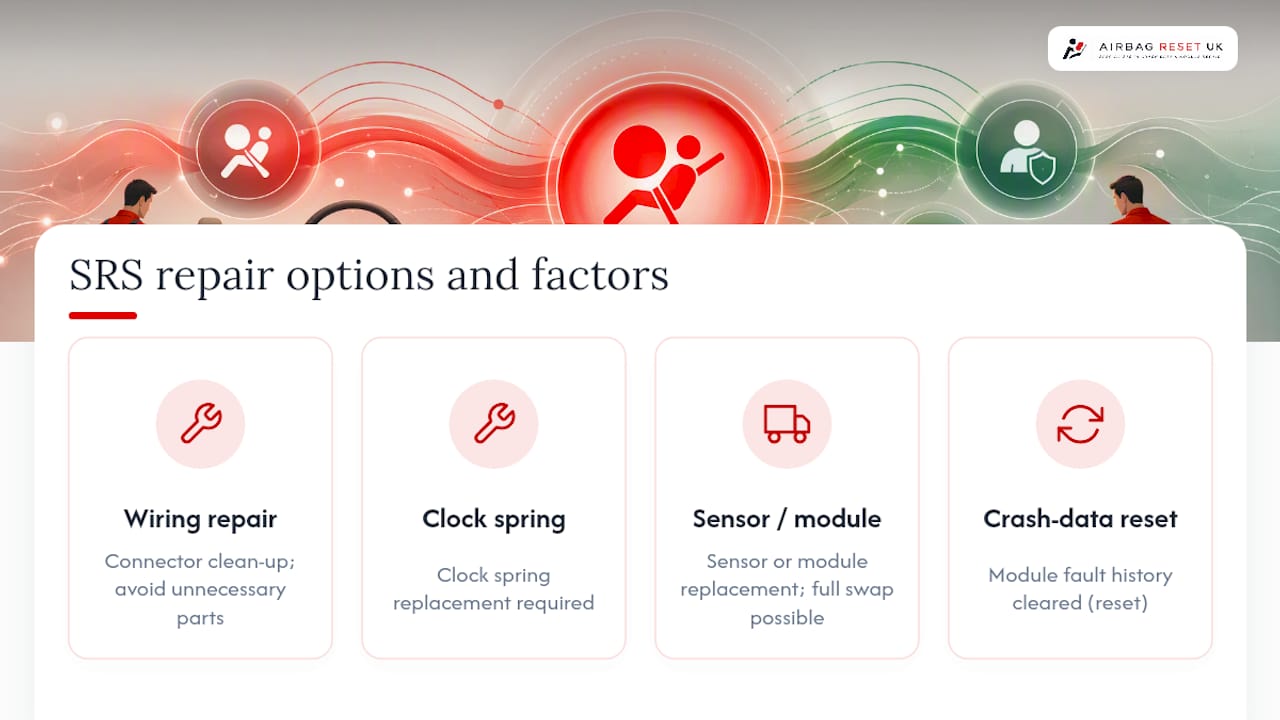
From there, the repair usually falls into one of a few lanes: a wiring repair or connector clean-up, clock spring replacement, sensor or module replacement, or a crash-data reset where the module itself just needs its stored fault history cleared. Costs vary with your vehicle's make and model, whether a full module swap is genuinely needed, and how easy the parts are to source, with labour time often the biggest factor. Whatever route it takes, an accurate fault code record matters for both a safe repair and any insurance claim tied to the fault.
When a postal airbag module reset service is the right call
If your fault code points to stored crash data rather than physical damage, replacing an otherwise healthy module is often unnecessary expense. This is precisely the gap a specialist reset service fills. Clearing stored crash data from the module can often resolve a persistent SRS warning after a collision, provided the airbags, pretensioners, and wiring themselves are undamaged.
The typical process runs: identify your module by part number or a quick photo, post it off, have it reset and bench-tested, then fitted back into the car. Signs this route suits you:
- The SRS light appeared after a minor bump or previous accident, not a mechanical wiring fault.
- A diagnostic has confirmed stored crash data rather than a sensor or circuit failure.
- The rest of the restraint system, including airbags and pretensioners, checks out physically sound.
A reset isn't the answer if wiring is damaged, a sensor has genuinely failed, or the clock spring needs replacing. Those cases need parts repair or replacement, not a data clear, and a proper code read plus physical inspection should always come before any reset to avoid masking a real fault.
What the research actually tells us about SRS lights
Most advice on this topic swings between two extremes: panic about airbags exploding unprompted, or dismissing the light as something a garage will "just reset" for £30. Neither reflects what the evidence shows. The real pattern is mundane. Wiring under seats gets pinched, clock springs wear out, coins get stuck in buckles. Mechanical wear causes most SRS faults, not electronic mystery.
Where conventional advice falls short is in treating every SRS light as a parts-replacement job. A stored crash code from an old, otherwise-repaired collision doesn't need a new module. It needs the crash data cleared, which costs a fraction of a replacement and takes a fraction of the time. That distinction gets lost when the default assumption is "book it in for parts."
What should you prioritise first? Rule out your own buckles, wiring, and battery before paying anyone. If a diagnostic then shows stored crash data with no physical damage, a reset service is the sensible next step, not a compromise.
Frequently asked questions about the SRS light
What does SRS mean in a car? SRS stands for supplemental restraint system, the network of airbags, pretensioners, sensors, and wiring that backs up your seat belt in a crash.
What does the SRS light do when it comes on? It tells you the control module has detected a fault it can't resolve, which may mean airbags or pretensioners won't work correctly if you're in an accident.
Can I still drive with the SRS light on? A short trip is usually fine if there's no obvious trigger, but you shouldn't drive after a collision, and any ongoing fault needs checking the same day.
Will my airbags still deploy if the SRS light is on? It depends on the fault. Some faults leave airbags working normally aside from the warning; others genuinely prevent deployment, which is why guessing isn't worth the risk.
How much does fixing an SRS light typically cost? It varies by vehicle, fault type, and whether a full module replacement is needed. A wiring fix or crash-data reset generally costs far less than a module swap.
Can a postal reset service fix my SRS light? Yes, when the cause is stored crash data from a previous collision and the airbags, sensors, and wiring are otherwise undamaged. It's not a fix for physical faults like a broken clock spring.